Solar System
Our cosmic neighborhood — a delicate dance of gravity and light.
Our Solar System
From scorching Mercury to frozen Neptune — discover the worlds that orbit our Sun.
Planet Comparator
Compare two planets side by side — size, gravity, and more.
Earth
Rocky
Jupiter
Gas Giant
Space Discoveries
Moments that changed our understanding of the cosmos forever.
8 days, 3 hours
Mission Duration
953,054 km
Distance Traveled
2h 31min
Moonwalk Duration
21.5 kg
Samples Returned
Apollo 11 — Moon Landing
Humanity took its first steps on another world as Neil Armstrong and Buzz Aldrin landed the Lunar Module Eagle on the Sea of Tranquility.
Significance
First human footsteps on another celestial body.
Neil Armstrong, Buzz Aldrin, Michael Collins
24+ billion km
Current Distance
47+ years
Years Operating
100,000+
Images Returned
24
Moons Discovered
Voyager — Grand Tour
Voyager 1 and 2 embarked on an epic journey through the outer solar system, sending back humanity's first close-up images of Jupiter, Saturn, Uranus, and Neptune.
Significance
First spacecraft to reach interstellar space.
Carl Sagan and the NASA JPL team
547 km
Orbit Altitude
1.5+ million
Observations
19,000+
Scientific Papers
13.4 billion yrs
Deepest Image
Hubble Space Telescope
Orbiting above Earth's distorting atmosphere, Hubble has captured the universe in unprecedented detail.
Significance
Revealed the age of the universe and proved its accelerating expansion.
Edwin Hubble (namesake), NASA and ESA
4 successful
Rovers Landed
75+ km
Total Kilometers
70+
Helicopter Flights
30+
Samples Collected
Mars Exploration Rovers
A fleet of robotic explorers have transformed Mars from a distant red dot into a world with ancient river deltas and organic molecules.
Significance
Confirmed liquid water once flowed on Mars.
NASA JPL and international partners
6.5 meters
Mirror Diameter
0.6-28 μm
Wavelength Range
-233°C
Operating Temp
20+ years
Mission Duration
James Webb Space Telescope
The most powerful telescope ever built — orbiting the Sun at L2, Webb peers through cosmic dust to reveal the first galaxies.
Significance
Seeing the first stars and galaxies after the Big Bang.
NASA, ESA and CSA — thousands of scientists
Explore The Universe
Beyond our solar system lies a cosmos of staggering scale and mystery.
Black Holes
Gravity's Ultimate Triumph
Regions of spacetime where gravity is so intense that nothing — not even light — can escape.
Nebulae
Cosmic Nurseries of Stars
Vast clouds of dust and gas where stars are born and die.
Exoplanets
Worlds Beyond Our Sun
Thousands of planets discovered orbiting distant stars.
Galaxies
Islands of Stars in the Cosmos
Vast collections of stars, gas, dust, and dark matter bound by gravity.
Dark Matter
The Invisible Universe
An invisible substance making up 85% of all matter in the universe.
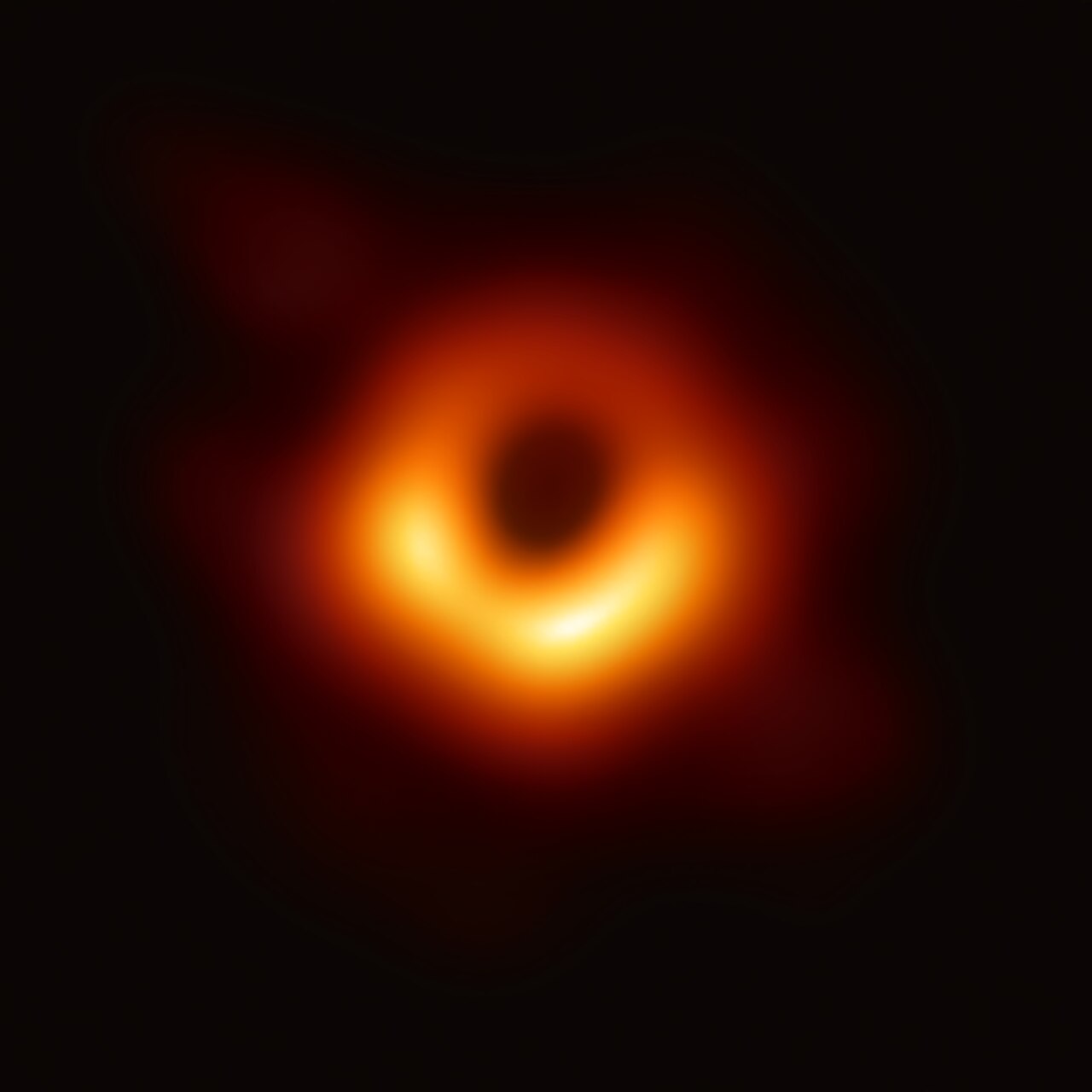
Black Holes
Where gravity bends reality and light itself cannot escape.
Regions of spacetime where gravity is so intense that nothing — not even light — can escape. From stellar-mass black holes to supermassive giants at galactic centers, these cosmic enigmas challenge our very understanding of physics.
First Image
M87* — 2019
Milky Way Center
Sgr A* — 4.3M Suns
Event Horizon
Point of no return
Time Dilation
Extreme near horizon
Space Data
Known Universe Age
13.8 BYR
Observable Galaxies
2 Trillion
Confirmed Exoplanets
5,592
Active Satellites
9,900+
Humans in Space
19
Light Speed
299,792 km/s
Stars in Milky Way
100–400B
Known Asteroids
1.3M+
Space Agencies
77
Planet Sizes
NASA Highlights
Iconic images from humanity's greatest space missions — in their full glory.

Hubble Space Telescope
Pillars of Creation
Towering columns of interstellar gas and dust in the Eagle Nebula, where new stars are being born.
- 7,000 light-years away
- 5 light-years tall
- Eagle Nebula (M16)
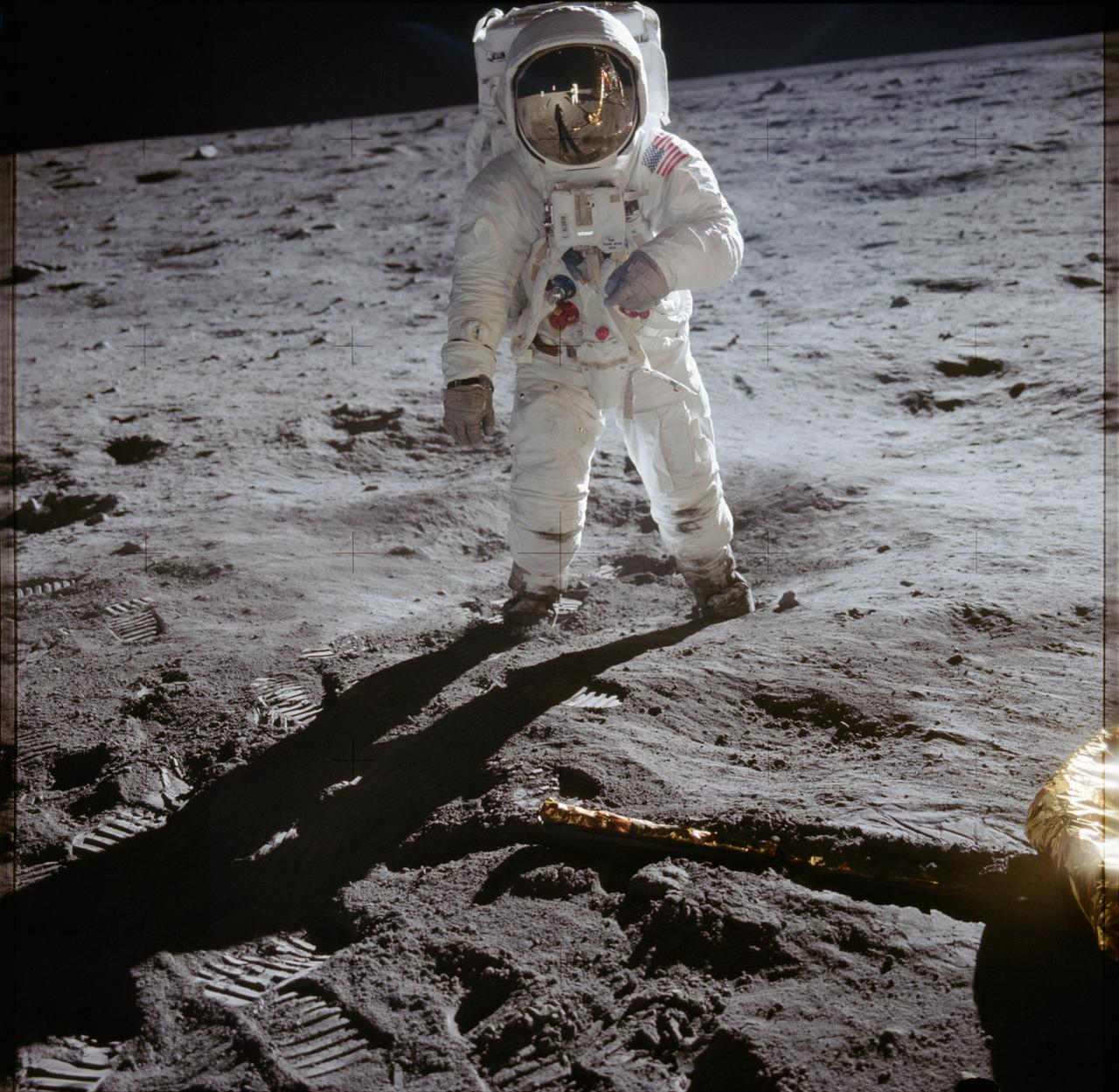
Apollo 11 Mission
First Steps on the Moon
Astronaut Buzz Aldrin walks on the lunar surface near the leg of the Lunar Module "Eagle" during the first Moon landing.
- July 20, 1969
- Sea of Tranquility
- Neil Armstrong photo
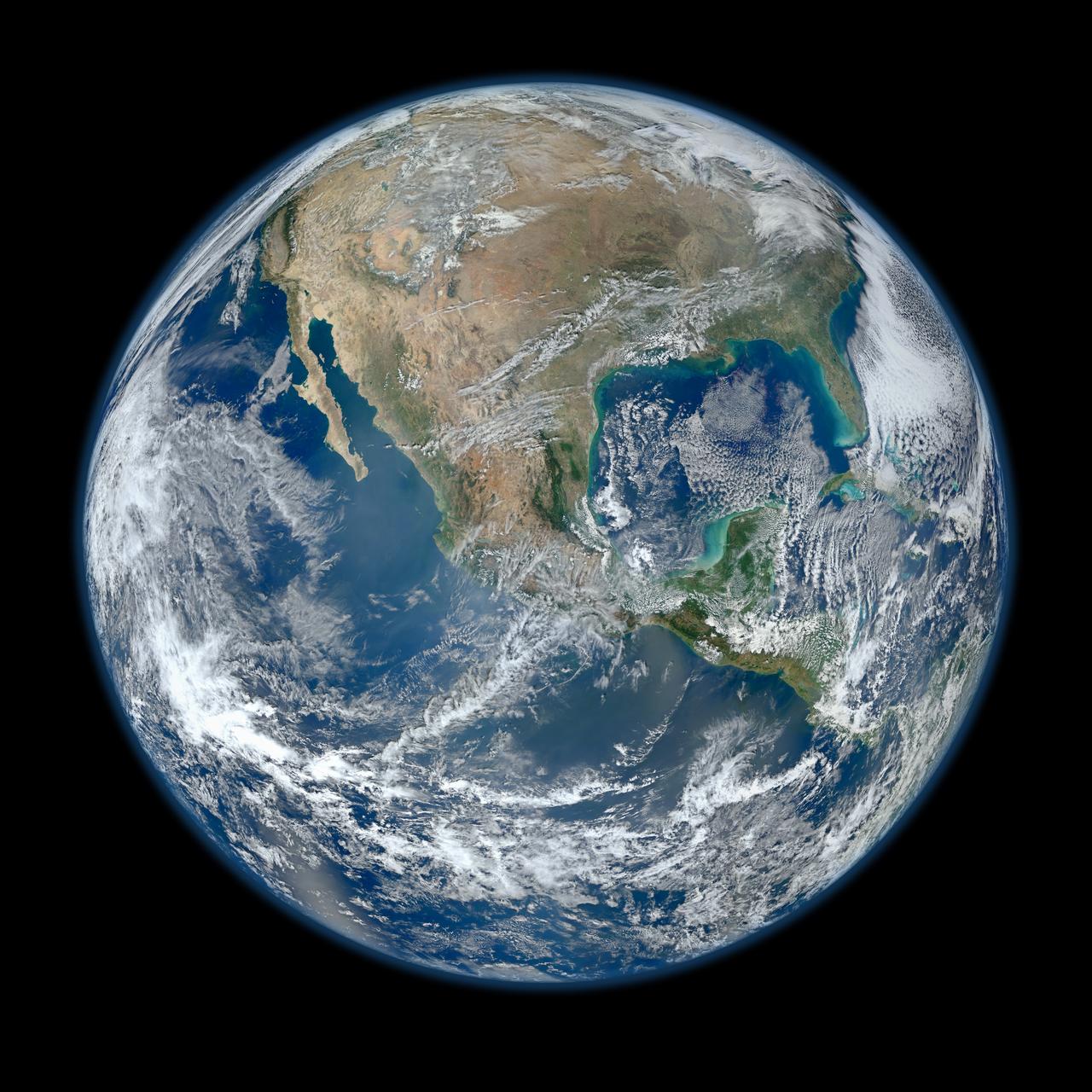
Suomi NPP Satellite
Blue Marble
The iconic "Blue Marble" view of Earth — the most amazing high-definition image of our home planet.
- January 4, 2012
- Composite image
- 3.1M+ views on Flickr

James Webb Space Telescope
Webb's First Deep Field
Thousands of galaxies flood this near-infrared image of galaxy cluster SMACS 0723.
- 4.6 billion light-years
- Gravitational lensing
- July 12, 2022
Space
Never Ends
The cosmos is infinite in scale — a canvas of darkness, light, and endless wonder. Somewhere out there, a star is born at this very moment.